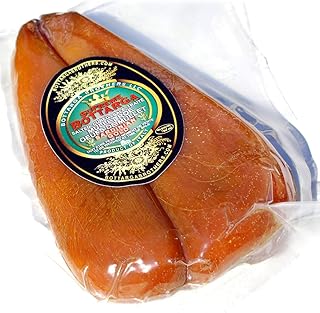
In the pantheon of gourmet ingredients, few possess the mystique, history, and intense flavor profile of Bottarga. Often referred to as "Sardinian Gold" or "poor man's caviar," this salted, cured fish roe is a cornerstone of Italian and Mediterranean cuisine, offering a powerful punch of savory, briny umami that can elevate even the simplest dish. For the uninitiated, diving into the world of Bottarga can seem daunting, but understanding its varieties and uses unlocks a new dimension of culinary creativity.
What Exactly is Bottarga?
At its core, Bottarga is the roe sac of fish, traditionally grey mullet (Muggine) or tuna, that is salted, pressed, and air-dried until it achieves a firm, waxy consistency. This ancient preservation method, perfected over centuries in coastal regions like Sardinia and Sicily, concentrates the flavors of the sea into a solid block of culinary gold. The result is an ingredient that is complex, salty, and richly savory, with subtle notes of the ocean and nuts. It's a testament to the ingenuity of preserving the bounty of the sea.
The Two Kings: Mullet vs. Tuna Bottarga
While both are exceptional, they offer distinct experiences. Grey Mullet Roe (Bottarga di Muggine), particularly from Sardinia, is the most celebrated and widely available type. It has a more refined, balanced flavor—intensely savory but less fishy than its tuna counterpart. Products like the exquisite Bottarga Di Muggine from L'Oro di Cabras or the premium Smeralda Whole Bottarga represent the pinnacle of this style, prized for their deep amber color and complex aroma.
Tuna Bottarga, often from Sicily, is bolder, with a stronger, more pronounced fish flavor and a darker, reddish hue. It's a fantastic choice for those who love a powerful umami hit. The Sicilian Grated Bluefin Tuna Bottarga is a perfect example, ready to use as a finishing touch. For a deeper dive into these varieties, a complete guide to Bottarga can be incredibly helpful.
Whole vs. Grated: Choosing Your Format
Bottarga comes in two main forms, each suited to different uses. Whole Bottarga is a solid, wax-coated lobe. It's the purist's choice, allowing you to grate or shave it fresh over dishes, ensuring maximum aroma and flavor. It keeps for a long time when stored properly. The Sanniti Bottarga Cured Mullet Roe is a great option in this category.
Grated or Pre-Shaved Bottarga offers unparalleled convenience. Perfect for busy cooks, it's ready to sprinkle directly onto food. While it may lose some aromatic potency compared to freshly grated, the quality of products like Sardinian Grated Bottarga or the elegant Le Mareviglie Grated Bottarga remains exceptionally high. This format is ideal for discovering how grated Bottarga can transform a meal.
How to Use Bottarga in Your Kitchen
The beauty of Bottarga lies in its versatility as a finishing ingredient. Heat diminishes its delicate flavor, so it's always added at the end. Here are classic ways to enjoy it:
1. The Quintessential Pasta: Toss freshly cooked spaghetti or linguine with high-quality olive oil, garlic, a pinch of chili flake, and a generous shower of freshly grated Bottarga. The heat of the pasta gently "melts" the roe, creating a simple yet luxurious sauce. It's the ultimate pasta topping.
2. Elevate Your Appetizers: Shave thin slices over creamy avocado, burrata, or ricotta crostini. A few slivers on raw oysters or crudo-style fish is a game-changer. It adds a umami flavor boost that is unmatched.
3. Breakfast & Eggs: Grate over scrambled eggs, omelets, or a simple slice of buttered toast for a gourmet start to the day.
4. Salads and Vegetables: Finish a simple tomato salad, grilled asparagus, or roasted potatoes with Bottarga for a salty, savory depth. For more cooking tips and specific recipes, exploring a dedicated guide on using cured mullet roe is highly recommended.
Selecting and Storing Your Sardinian Gold
When buying whole Sardinian Bottarga, look for a firm, dry texture and a uniform, deep amber color. It should smell of the sea, not overly fishy. The "Sardinian Gold" line, available in various sizes like the 3.5oz, 5.0oz, and even 6.3oz units, is an excellent choice, especially noted for being Kosher Bottarga. Store whole Bottarga wrapped in parchment paper in the refrigerator. Grated Bottarga should be kept in an airtight container in the fridge and used within a few months for best flavor.
Incorporating Bottarga into your cooking is an adventure in flavor. Whether you opt for the convenience of pre-grated or the ritual of grating your own from a whole lobe, this gourmet ingredient from the heart of the Mediterranean is sure to become a cherished pantry staple. Start with a small amount over pasta, and you'll soon understand why this Italian delicacy has been treasured for millennia.